
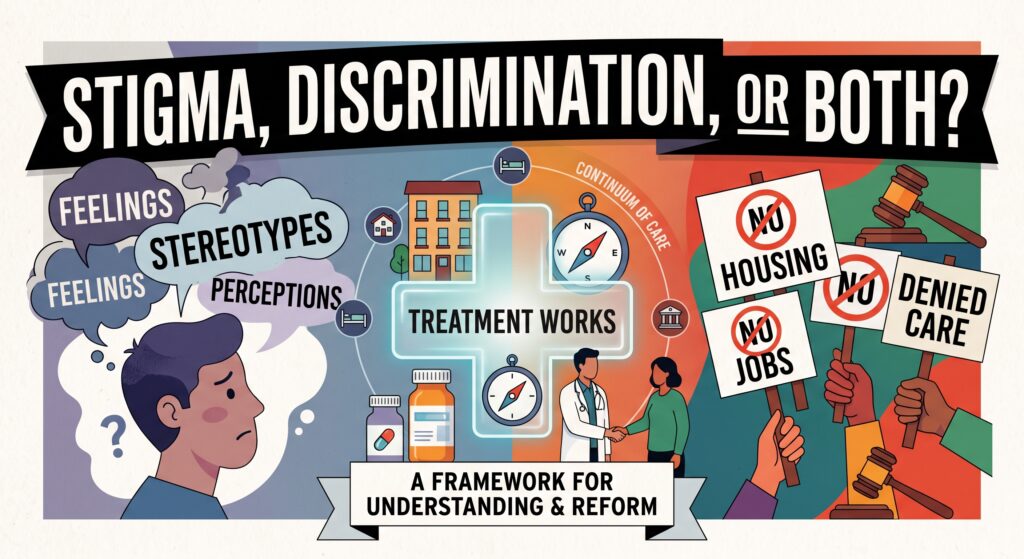
When we talk about stigma around issues of mental health and severe mental illness, we usually hear a single, consistent message: the vast majority of people with mental illness aren’t violent, deserve respect, and need protection from discrimination. That’s absolutely true. But it’s also only half the conversation.
In an effort to protect patients, the mental health field has spent years tiptoeing around a harder truth: a small minority of people living with severe, untreated psychiatric conditions can become dangerous to themselves or others. Sweeping that reality under the rug doesn’t protect anyone. In fact, it stops us from having the honest conversations needed to keep both patients and communities safe.
Treatment—Not Denial—Is What Actually Reduces Stigma
The real question isn’t whether severe mental illness can cause safety risks—it can. The question is what we do about it.
The good news? Except in rare cases, treatment works.
When people get access to psychiatric medicine, housing that heals, and coordinated care, symptoms stabilize and the risk of crisis drops dramatically. Nothing dismantles fear faster than seeing someone recover, rebuild their life, and thrive. It shows communities that severe psychosis or self-neglect aren’t character flaws; they’re symptoms of an illness that can be managed. Recovery naturally looks different for everyone depending on their level of acuity, but the common denominator in achieving recovery—and truly improving quality of life—is access to treatment.
Stigma vs. Discrimination: Knowing the Difference
It’s helpful to separate these two concepts:
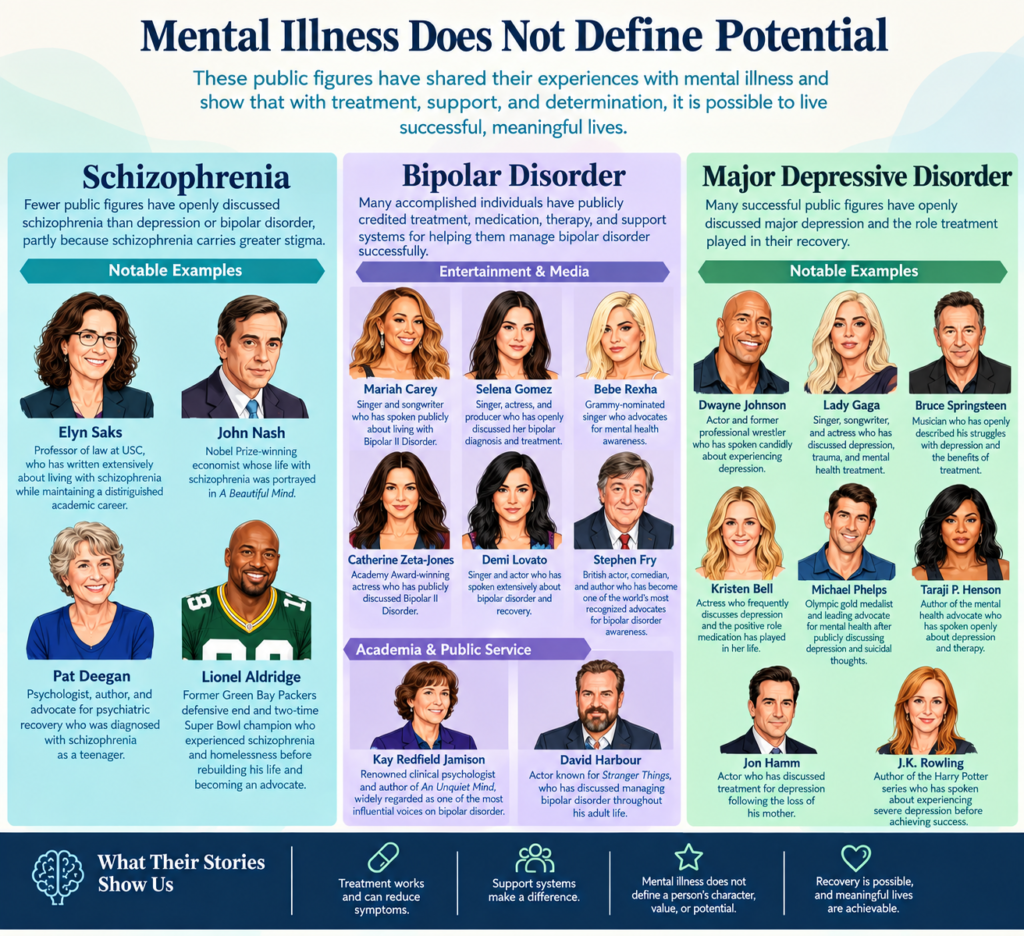
- Stigma is about attitudes, fears, and social perceptions. You can’t easily legislate away people’s quiet fears, but you can change their minds by showing that recovery is real. There a a host of well known figures who have shared their struggles with severe mental illness and recovery after treatment.
- Discrimination is an action. We can and must enforce laws that stop unfair treatment in housing, jobs, and healthcare. Protecting civil rights is vital, but protecting rights shouldn’t mean ignoring obvious system failures or genuine safety concerns.
Where Stigma Campaigns Fall Short: Anosognosia and Systemic Barriers
While public campaigns focus heavily on overcoming stigma, stigma is actually not the primary barrier for individuals living with severe psychiatric conditions accompanied by anosognosia—a neurological inability to recognize that one is ill. Someone who lacks insight into their condition will not voluntarily seek help, regardless of social perception. For them, the real barriers to receiving care rate far higher on the scale of: lack of access to timely involuntary interventions, insurance discrimination, severe shortages of treatment facilities, and a depleted mental health workforce. These structural breakdowns, not stigma, contribute to disproportionate rates of homelessness, incarceration, and death among those with severe mental illness. Furthermore, constantly repeating in public messaging that mental illness is heavily stigmatized can inadvertently harm people with anosognosia; unable to process why they feel different or why society views their condition this way, constant talk of stigma can simply erode their sense of self-worth without helping them recognize their need for care.
Where “Quick Fixes” Fall Short
The evidence overwhelmingly shows that treatment works. Psychiatric medications, intensive outpatient services, assertive community treatment, hospitalization when necessary, supportive housing, and coordinated systems of care can dramatically reduce psychiatric symptoms and the risks associated with untreated illness. Well-meaning, simplistic policies (panacea solutions) often miss the mark. Past examples of failed panaceas include:
- Removing law enforcement from crisis calls: Many states have opted to eliminate police from crisis response in an effort to reduce stigma. But for many people in the middle of severe psychosis who don’t realize they need help, social workers rarely have the legal authority or means to get the incapacitated person to an emergency evaluation, leaving the person stranded in crisis. To mitigate the harm, both law enforcement and clinicians should respond to crisis scenes together to ensure a safe and effective resolution.
- Anti-medication narratives: Dismissing psychiatric drugs ignores decades of proven science. For conditions like schizophrenia or bipolar disorder, refusing to acknowledge evidence-based treatment isn’t compassionate—it’s harmful.
A Realistic Path Forward
We don’t have to choose between civil rights and safe treatment. That’s a false choice. A truly modern mental health system can protect patient rights while delivering real care, address discrimination while being honest about risk, and intervene long before a crisis hits. Dignity, safety, and care aren’t opposing ideas—they’re the foundation of a system that actually works for everyone.